Airway-Focused Pediatric Dentistry in Newport Beach, CA
Helping families understand how children's breathing patterns, oral development, and sleep concerns may be connected.
A Whole-Child Approach to Airway Care
Healthy breathing is important for a child's sleep, growth, and overall development. When children experience persistent mouth breathing, snoring, restless sleep, or concerns with jaw development, an airway-focused dental evaluation may provide valuable information about their oral health.
At Daghlian Pediatric Dentistry & Sokolowski Orthodontics, our team evaluates how the teeth, jaws, palate, tongue, and oral habits relate to a child's breathing and development. We provide airway-focused pediatric dental care for families in Newport Beach and Huntington Beach, CA.
Concerned about your child's breathing or sleep? Call our Newport Beach office at 949-706-7006 or our Huntington Beach office at 714-848-0234 to schedule an airway evaluation with our pediatric dentist.
Explore Our Airway-Focused Services
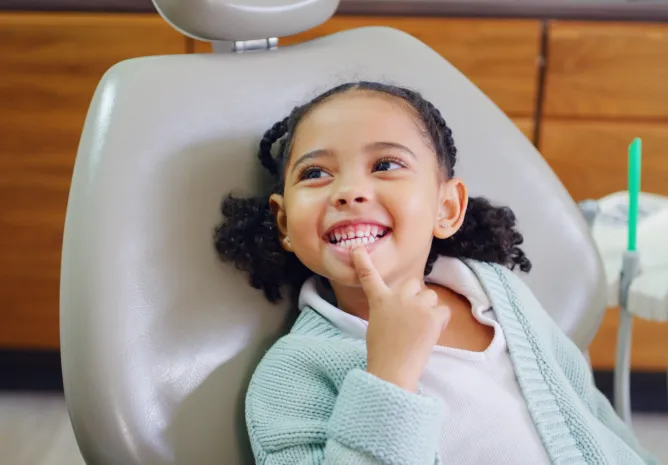
Airway Dentistry
Learn how our pediatric airway dentist evaluates oral development, jaw growth, tongue posture, and other dental factors that may relate to breathing and sleep concerns.
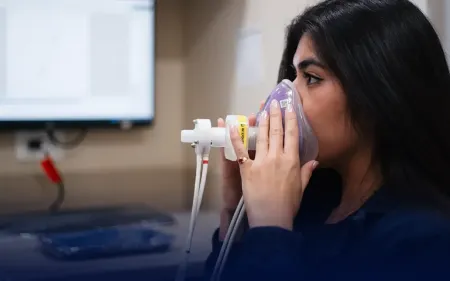
Airway Health
Explore common signs of pediatric airway concerns, how oral structures develop, and what types of dental evaluations or referrals may be appropriate.
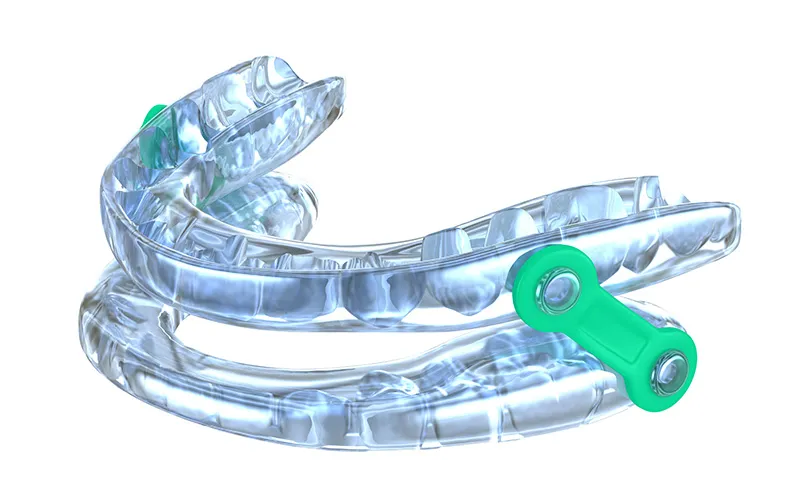
Sleep Apnea
Learn about possible signs of sleep apnea in children, when a medical sleep evaluation may be needed, and how pediatric dental screening can support coordinated care.
What Is Airway-Focused Dentistry?
Airway-focused dentistry considers how a child’s oral structures and development may relate to breathing patterns and sleep-related symptoms. During an evaluation, our pediatric dentist may examine the shape of the palate, jaw growth, dental crowding, tongue posture, bite alignment, and oral habits.
These findings can help identify dental or developmental concerns that may deserve monitoring, further assessment, or coordination with another healthcare professional.
Airway-focused dentistry does not replace medical evaluation for breathing disorders. When symptoms suggest possible sleep apnea, nasal obstruction, or another medical condition, our dentist can discuss the importance of appropriate pediatric or specialist care.
See the Difference Airway-Focused Care Can Make
Explore before-and-after photos of patients who received individualized care involving oral development and airway-related dental concerns.
Facial Profile Changes
These profile images illustrate changes observed following individualized treatment. Facial appearance and oral development can be influenced by multiple factors, including natural growth, so photographs alone do not demonstrate improved breathing or sleep.
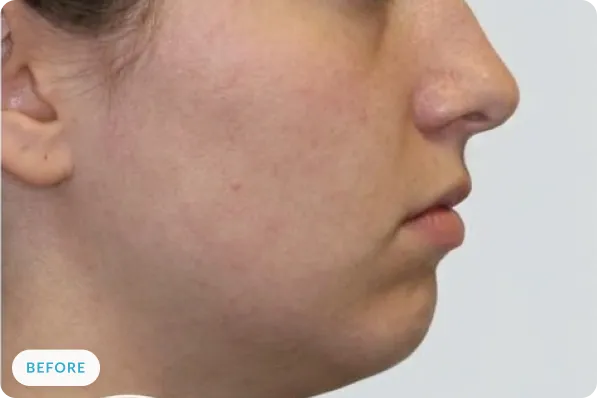
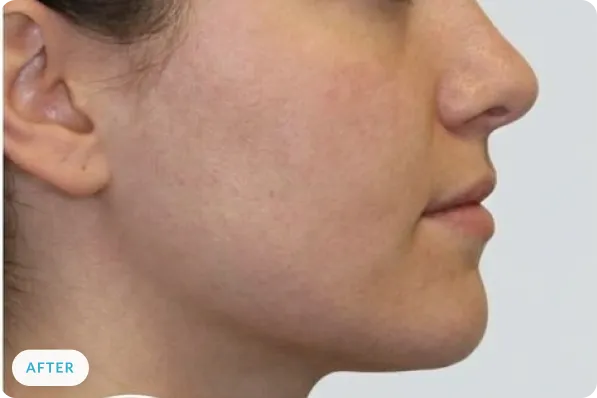
Photos show actual patients. Treatment recommendations and results vary, and individual outcomes are not guaranteed.
Signs Your Child May Benefit From an Airway Evaluation
An airway-focused dental evaluation may be helpful when your child experiences symptoms or developmental concerns such as:
Airway Dentistry FAQs
Our pediatric airway dentist evaluates the teeth, jaws, palate, tongue posture, and oral habits to identify dental or developmental findings that may be relevant to breathing and sleep concerns. The evaluation can help families understand whether monitoring, dental care, or an additional medical assessment may be appropriate.
Consider an evaluation if your child frequently breathes through the mouth, snores, grinds their teeth, has restless sleep, or shows concerns with dental arch and jaw development. Your child's pediatrician should also evaluate persistent snoring or suspected sleep-related breathing problems.
Occasional snoring during a temporary illness can occur, but frequent or persistent snoring deserves medical attention. It may be associated with obstructed breathing during sleep. Our pediatric dentist can evaluate relevant oral structures and discuss whether a referral to a pediatrician, ENT specialist, or sleep physician would be appropriate.
No. An airway evaluation helps identify relevant dental findings and understand your child's symptoms. Some children may need monitoring or guidance, while others may benefit from dental care or a medical referral. Recommendations depend on the individual examination and, when necessary, findings from other healthcare professionals.