
Advantages to Orthodontics

Understanding common bite and alignment problems, and how orthodontic treatment can help.

Orthodontic problems can affect more than the way a smile looks. Crowding, bite imbalance, jaw growth concerns, and oral habits can influence chewing, speech, airway development, hygiene, facial balance, and long-term dental health. Identifying these concerns early can help families understand what needs attention now, what can be monitored, and what may require treatment later.

Dr. Sokolowski evaluates common orthodontic problems for children, teens, and adults. If you have noticed crooked teeth, bite issues, mouth breathing, thumb sucking, spacing, or jaw changes, call to schedule an orthodontic evaluation.

What Parents Often Notice First

Many orthodontic concerns begin with small signs at home. A child may have teeth coming in crooked, trouble biting into food, speech changes, crowded baby teeth, or permanent teeth that do not seem to have enough room.

These signs do not always mean treatment is needed immediately. They do mean an orthodontic evaluation may be helpful. Early detection gives our Orthodontics a chance to assess growth, tooth eruption, and bite development before problems become more complex.
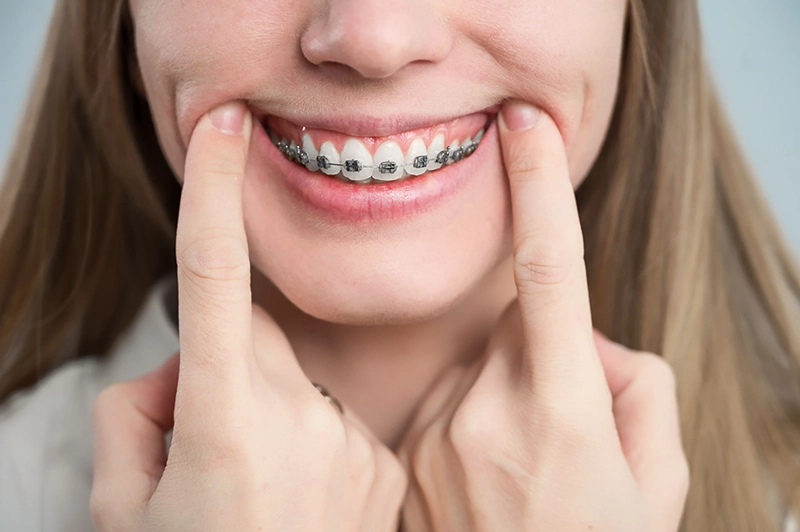
Smiling child during a preventive dental visit

Crowding and Spacing

Crowding happens when there is not enough room in the mouth for the teeth to align properly. Teeth may overlap, rotate, erupt in the wrong position, or become difficult to clean. Crowding can increase plaque buildup in tight areas and may raise the risk of cavities or gum irritation.

Spacing is the opposite problem. Gaps between teeth may occur because of tooth size, jaw size, missing teeth, habits, or natural development. Some spacing is normal in growing children, but larger or persistent gaps may need orthodontic attention.

Bite Problems That Can Affect Function

A healthy bite allows the upper and lower teeth to meet in a balanced way. When the bite is off, teeth, muscles, and jaw joints may work harder than they should. Common bite concerns include:

Overbite

The upper front teeth overlap the lower front teeth too much.

Underbite

The lower teeth sit in front of the upper teeth.

Crossbite

Some upper teeth fit inside the lower teeth when biting.

Open bite

The front teeth do not touch when the back teeth are together.

Deep bite

The upper teeth cover too much of the lower teeth.

Bite problems can affect chewing, speech, enamel wear, jaw comfort, and facial development. Some are easier to guide while a child is still growing.

Oral Habits and Growth Patterns

Thumb sucking, pacifier use, tongue thrusting, mouth breathing, and low tongue posture can influence how the teeth and jaws develop. These habits may contribute to open bites, narrow arches, protruding teeth, or changes in facial growth.

Functional orthodontic evaluation looks at the relationship between habits, muscle patterns, breathing, and tooth position. If a habit is contributing to an orthodontic problem, treatment planning may include guidance to help reduce the habit and support healthier development.

Why Timing Matters

Not every orthodontic problem should be treated at the same age. Some issues are best monitored until more permanent teeth come in. Others may benefit from earlier treatment because jaw growth, arch width, or bite development can still be guided.

An early orthodontic evaluation can help answer important questions:

Is this problem normal for the child's age?Is the jaw growing in a healthy direction?Are permanent teeth erupting properly?Is there enough room for adult teeth?Could airway, habits, or tongue posture be affecting development?Should treatment begin now or later?

The goal is not to over-treat. The goal is to choose the right timing.

How Orthodontic Problems Are Evaluated

Your visit may include a review of dental history, a clinical exam, bite assessment, growth evaluation, and digital imaging when needed. Dr. Sokolowski will look at how the teeth fit together, how the jaws relate, whether tooth eruption is on track, and whether any habits or airway-related concerns may be influencing development.

After the evaluation, you will receive a clear explanation of the findings. If treatment is recommended, your options may include monitoring, growth guidance, braces, clear aligners, appliances, habit support, or a phased orthodontic plan depending on the concern.

Protecting Confidence While Supporting Health

Orthodontic problems can affect a child's confidence, especially during important social and developmental years. Crowded teeth, gaps, protruding front teeth, or noticeable bite issues may make a child feel self-conscious.

Treatment can help improve smile appearance, but the bigger goal is lasting oral health. Better alignment can make brushing and flossing easier, reduce uneven tooth wear, improve chewing function, and support a more stable bite.

Advantages of Orthodontic Treatment

Beyond a straighter smile, treating these common problems with orthodontics can offer lasting benefits, including:

Improved chewing, speech and bite functionEasier brushing and flossing with straighter teethReduced risk of uneven wear, chipping or gum irritationBetter jaw comfort and reduced strain on jaw jointsMore confident, healthier-looking smileA stable foundation that can support long-term oral health

Schedule an Orthodontic Evaluation

If you are unsure whether an orthodontic concern needs treatment, an evaluation can give you clarity. Daghlian Pediatric Dentistry & Sokolowski Orthodontics provides personalized orthodontic assessments in Newport Beach, California, for common problems such as crowding, spacing, overbites, underbites, crossbites, open bites, oral habits, and jaw growth concerns. Call 949-706-7006 to schedule a visit with our Orthodontics in Newport Beach, California.

Frequently Asked Questions About Orthodontic Problems

Many children benefit from an orthodontic evaluation around age 7. At this age, the orthodontist can assess jaw growth, bite development, spacing, crowding, and permanent tooth eruption, even if treatment is not needed right away.

Treatment time depends on the type and severity of the orthodontic problem, the patient's age, the treatment method, and how well instructions are followed. Some early treatments are shorter, while comprehensive braces or aligner treatment may take longer.

Yes. Thumb sucking can contribute to changes in tooth position, jaw development, and bite alignment, especially if the habit continues as permanent teeth begin to erupt. An orthodontic evaluation can help determine whether the habit has affected growth or alignment.

Some orthodontic problems may remain stable, while others can worsen over time. Untreated concerns may contribute to crowding, uneven wear, gum irritation, cleaning difficulty, jaw strain, or bite instability. An evaluation can help determine the level of risk.

Schedule an Orthodontic Evaluation

Call 949-706-7006 to schedule with our Orthodontics in Newport Beach, California.