
Sleep Apnea Treatment for Children in Newport Beach, CA
Evaluating airway-related signs from a pediatric dental and functional development perspective.
Understanding Sleep Apnea in Children
Pediatric sleep apnea can affect how a child breathes, sleeps, grows, learns, and feels during the day. When breathing is interrupted during sleep, children may not get the deep, restorative rest they need for healthy development.
If your child snores, breathes through the mouth, wakes frequently, grinds their teeth, has nightmares nightly, sleepwalks, experiences frequent bedwetting or struggles with daytime behavior and focus, call 949-706-7006 to schedule an airway evaluation with Dr. Daghlian.
Signs Parents May Notice at Night
Parents may notice nighttime signs such as:
Daytime Clues Can Matter Too
Poor sleep can affect a child's entire day. Dr. Daghlian looks at symptoms alongside oral development and growth to understand what may point toward airway restriction.
Attention & Behavior
Difficulty with attention, emotional regulation, or school performance.
Morning Symptoms
Morning headaches or difficulty waking up.
Oral Development
Jaw growth, tongue posture, tonsil visibility, and bite patterns.
What a Pediatric Dental Airway Evaluation Looks For
During your child's visit, Dr. Daghlian may assess:
Why Early Evaluation Can Help
Children are still growing, which means airway, jaw, palate, and facial development can change significantly over time. When breathing concerns are identified early, families can better understand whether intervention, monitoring, or medical referral may be needed.
Pediatric sleep apnea treatment is not one-size-fits-all. The right approach depends on the cause and severity of the breathing problem, your child's age, medical findings, oral development, and sleep study results when testing is recommended.
Dr. Daghlian provides prevention-first pediatric dental care with attention to airway, growth, oral habits, and whole-child development.
Sleep Apnea FAQs for Children
Parents should ask about an evaluation if a child snores often, gasps during sleep, pauses while breathing, sleeps restlessly, breathes through the mouth, grinds their teeth, wakes tired, has morning headaches, or struggles with daytime focus or behavior.
Children may show different symptoms than adults. Instead of obvious daytime sleepiness, children may show hyperactivity, irritability, attention problems, growth concerns, or school difficulties.
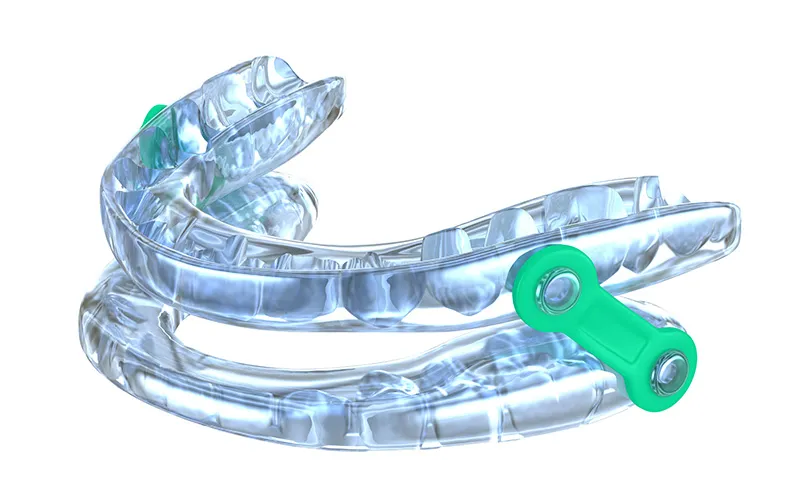
Treatment depends on the cause and severity. Options may involve medical care, ENT evaluation, sleep medicine guidance, oral appliance therapy, habit support, airway-focused dental monitoring, or growth-related orthodontic evaluation.
Not every child needs a sleep study, but it may be recommended when symptoms suggest possible sleep apnea. Dr. Daghlian can help identify signs that may warrant referral to a physician or sleep specialist.