
Airway Health in Newport Beach, CA
Healthy breathing supports sleep, focus, growth and long-term wellness.
Looking Beyond the Teeth
When the airway is restricted, it can affect far more than comfort at night. It may contribute to poor rest, mouth breathing, snoring, daytime fatigue and changes in facial development over time. At Daghlian Pediatric Dentistry & Sokolowski Orthodontics, our pediatric dental and orthodontic team take a patient-centered approach to airway concerns by looking beyond the teeth to understand how breathing patterns may affect everyday health and quality of life.
Concerned about restless sleep, sleep apnea, chronic mouth breathing or frequent snoring? Call 949-706-7006 to schedule an airway evaluation with Dr. Daghlian.
Signs of Airway Dysfunction
Airway dysfunction can appear in subtle ways that affect daily life and sleep quality.

Mouth Breathing
Mouth breathing during the day or night.

Daytime Fatigue
Daytime fatigue or poor focus.

Snoring
Snoring or noisy breathing.

ADD/ADHD-like Behavior
ADD/ADHD-like behavior in children.

Teeth Grinding
Teeth grinding or clenching at night.

Narrow Palate
Narrow palate or crowded teeth.

Restless Sleep
Restless sleep or sleep apnea.

Speech Delays
Speech delays or poor tongue posture.

Forward Head Posture
Forward head posture or dark under-eye circles.
Advanced Diagnostics to Evaluate Airway Health
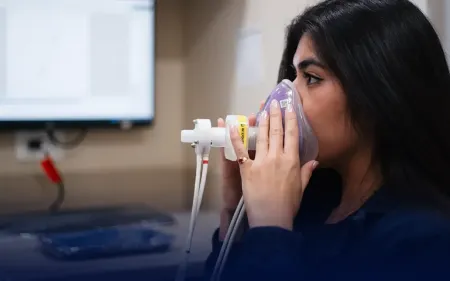
Nasal Breathing Evaluations
A close look at how well you or your child breathe through the nose.

Tongue Posture & Muscle Tone
Evaluating tongue rest position and muscle tone to understand oral function.
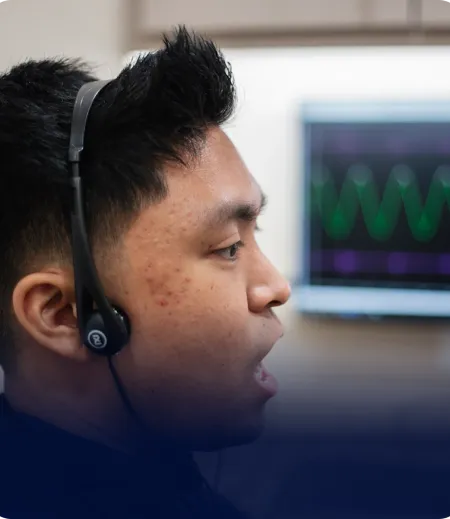
Pharyngometry Testing
Measuring the airway to understand how open or restricted it may be.

Facial Growth & Skeletal Structure
Reviewing facial growth and skeletal structure for signs of airway strain.
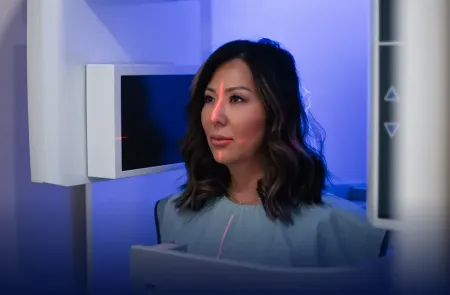
CBCT 3D Imaging
3D imaging to evaluate the airway, jaws, and surrounding structures in detail.
Airway Treatment Options
Airway care is never one-size-fits-all. We build treatment around the way a patient breathes, grows and functions so care supports both current comfort and long-term development.

Myobrace Expansion
A removable appliance that helps guide healthy jaw and arch development.
Growth-Guided Orthodontics
Orthodontic care timed to support natural growth and airway development.

ENT & Sleep Physician Collaboration
Coordinated care with ENT and sleep physicians when medical evaluation is needed.

Myofunctional Therapy
Exercises that train the tongue and oral muscles to support healthy function.

Oral Appliances
Custom appliances designed to support airway patency and jaw comfort.
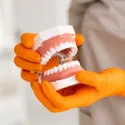
Orthognathic Surgery
Surgical correction for more significant jaw and airway structural concerns.
Airway-Focused Care With a Board-Certified Pediatric Dentist
Rita Daghlian, DDS is a board-certified pediatric dentist focused on prevention-first care. She trained at USC, completed a pediatric residency at Children's Hospital San Diego and completed a general practice residency at Naval Medical Center San Diego.
Dr. Daghlian uses kid-friendly communication to help children feel safe and understood. Her approach to airway health is careful, collaborative and focused on supporting healthy growth rather than rushing families into treatment.

Airway Health FAQs
Airway health in pediatric dentistry refers to how a child’s oral development, jaw growth, tongue posture and oral habits may relate to breathing and sleep. Our team evaluates these factors during an airway-focused dental visit.
Signs may include mouth breathing, snoring, restless sleep, teeth grinding, daytime tiredness, difficulty focusing or crowded teeth. These symptoms do not always mean there is a serious problem, but they are worth discussing with our team.
Yes. When sleep quality is affected by breathing issues, some children may seem tired, irritable, hyperactive or less focused during the day. An evaluation can help determine whether airway-related factors may be involved.
Not always. Our team can evaluate dental and developmental signs first. If symptoms suggest enlarged tonsils, adenoids, nasal obstruction or another medical concern, we may recommend an ENT or medical evaluation.