
Myofunctional Therapy in Newport Beach, CA
Supporting healthy tongue posture, breathing, swallowing, and oral muscle function.
Training Healthier Habits
Myofunctional therapy focuses on how the tongue, lips, cheeks and oral muscles function during breathing, swallowing, speaking and resting posture.
Concerned about mouth breathing or tongue posture? Call 949-706-7006 to schedule an evaluation with Dr. Daghlian.
What Is Myofunctional Therapy?
Myofunctional therapy uses targeted exercises and habit training to improve the function and resting posture of the oral and facial muscles. The goal is to support healthier patterns for nasal breathing, tongue posture, lip seal and swallowing.
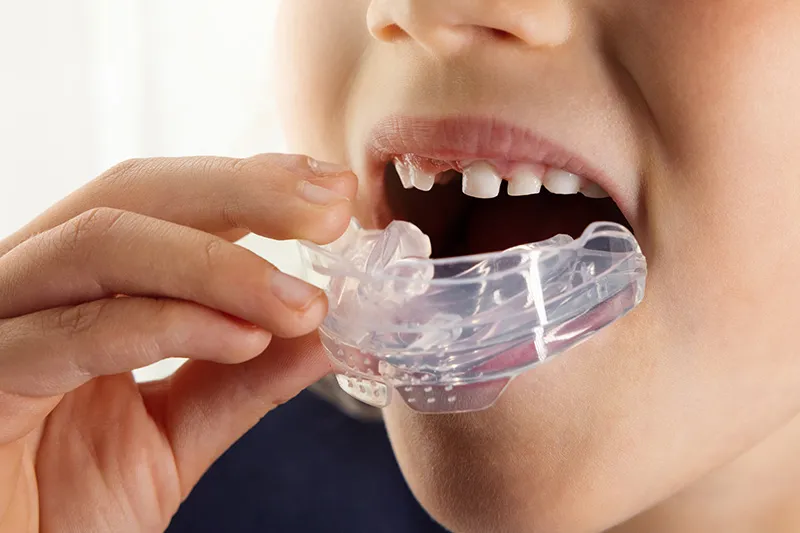
Signs Your Child May Benefit From a Myofunctional Evaluation
A myofunctional evaluation may be helpful if your child has signs such as:
What Myofunctional Therapy May Include
Myofunctional therapy is customized to the child's needs and age, with exercises and guidance to support:
Tongue Posture
Proper tongue resting posture against the palate to support healthy oral and facial development.
Nasal Breathing
Nasal breathing habits when appropriate, working alongside airway-focused care.
Swallowing Patterns
Correct swallowing patterns and reduced tongue thrusting.
Orthodontic Stability
Better stability during or after orthodontic treatment by addressing habits that contribute to relapse.
Myofunctional Therapy FAQs
Myofunctional therapy may help improve tongue posture, lip seal, swallowing patterns, mouth breathing habits and oral muscle function. It may also support orthodontic stability in some patients.
No. Myofunctional therapy can be helpful for children, teens and adults, depending on symptoms and goals. In pediatric care, it is often used to support healthy growth and oral development.
Yes. Tongue thrusting or low tongue posture may affect tooth position and long-term orthodontic stability. Rita Daghlian, DDS and Paul Sokolowski, DDS can coordinate care when orthodontic treatment is part of the plan.
Timing varies based on the child's age, habits, symptoms and consistency with exercises. Dr. Daghlian will explain the expected plan after an evaluation.