Functional Dentistry in Newport Beach, CA
A comprehensive approach to dental care that considers how your teeth, bite, jaw joints, muscles, airway, and oral habits work together.
Beyond Individual Teeth
Functional dentistry looks beyond individual teeth to understand how different parts of your oral system work together. Your bite, jaw joints, muscles, breathing patterns, and daily habits can all play a role in dental comfort and function.
At Daghlian Pediatric Dentistry & Sokolowski Orthodontics, our functional dentistry approach focuses on identifying factors that may contribute to recurring dental concerns. By evaluating how your teeth and jaws function together, we can develop personalized recommendations that support oral health, comfort, and long-term dental stability.
Experiencing recurring dental concerns, tooth wear, or bite discomfort? Call our Newport Beach office at 949-706-7006 or our Huntington Beach office at 714-848-0234 to schedule a functional dentistry consultation.
When Symptoms Point to a Bigger Pattern
Dental problems do not always occur independently. Worn or chipped teeth may be associated with clenching, grinding, or uneven bite forces. Tooth sensitivity can develop from enamel loss, gum recession, or other dental conditions. Jaw soreness, muscle fatigue, and certain headaches may also be associated with how the teeth, jaw joints, and surrounding muscles function.
Functional dentistry takes a broader approach to evaluating these concerns. Rather than focusing only on an individual tooth or symptom, our dentist considers contributing factors such as bite alignment, muscle activity, oral habits, and jaw function.
For patients experiencing recurring dental problems, frequent chipping, jaw tension, or ongoing bite discomfort, this approach may help identify patterns that deserve further evaluation. Understanding these relationships allows our dentist to recommend appropriate care based on your individual dental needs.
The Systems We Consider
Functional dentistry involves examining more than individual teeth. Depending on your concerns, your dental evaluation may include several aspects of oral health and function.
Teeth and Enamel
Your teeth can show signs of how your bite and daily habits affect your oral health. We evaluate tooth wear, cracks, sensitivity, erosion, and the condition of existing restorations. Patterns of excessive wear or repeated dental damage may suggest that certain teeth are experiencing additional stress. Identifying these concerns can help guide recommendations for protecting your teeth and maintaining long-term dental health.
Bite and Jaw Joints
Your bite determines how your upper and lower teeth come together during chewing and other jaw movements. The jaw joints and surrounding muscles also contribute to comfortable oral function. When patients experience bite discomfort, jaw soreness, or difficulty chewing, evaluating these relationships may help identify contributing factors. Our dentist can assess how your teeth meet, how your jaw moves, and whether additional evaluation or treatment may be appropriate.
Muscles and Daily Habits
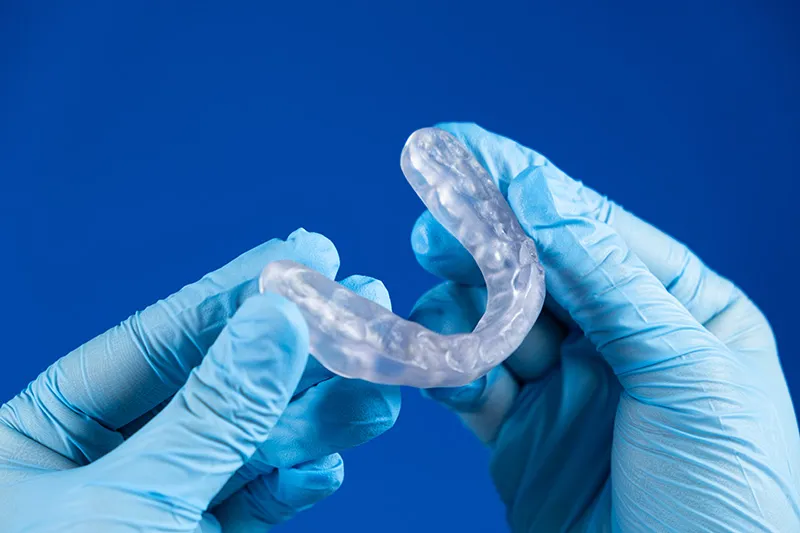
Daily habits can place repeated stress on the teeth and jaw muscles. Clenching, grinding, nail biting, chewing on objects, and certain oral habits may contribute to tooth wear, muscle fatigue, or discomfort. Functional dentistry considers these patterns as part of a broader evaluation. Recognizing habits that may affect oral health can help our dentist recommend practical strategies, protective appliances, or additional care when appropriate.
Airway and Oral Posture
Breathing patterns, tongue posture, and oral habits may be relevant to dental development and jaw function, particularly in growing children. When appropriate, our dentist may consider these factors during an evaluation and discuss whether further assessment by another qualified healthcare professional would be beneficial. Including these considerations helps provide a more complete understanding of the patient's oral health without assuming that every dental concern is related to the airway.
Functional Dentistry FAQs
Functional dentistry is an approach to dental care that examines how the teeth, bite, jaw joints, muscles, and oral habits function together. Rather than focusing exclusively on individual teeth, this approach considers factors that may contribute to recurring dental problems, discomfort, or excessive tooth wear. The goal is to better understand a patient's oral health concerns and develop appropriate recommendations that support comfortable function and long-term dental stability.
Functional dentistry may be useful when evaluating concerns such as excessive tooth wear, frequent chipping, tooth sensitivity, jaw tension, clenching, grinding, bite discomfort, and repeated problems with dental restorations. These symptoms can have multiple causes, so a dental examination is necessary to determine which factors may be contributing to your concerns and whether additional evaluation is needed.
Functional dentistry and holistic dentistry share some similarities, but they emphasize different aspects of dental care. Functional dentistry focuses on how the teeth, bite, jaw joints, muscles, and oral habits work together. Holistic dentistry generally considers oral health within the broader context of overall wellness and may emphasize preventive care and dental material preferences. The approaches can complement one another when developing an individualized dental care plan.
Not necessarily. A functional dentistry evaluation does not automatically mean extensive treatment is required. Depending on your concerns and examination findings, recommendations may include monitoring, changes to oral habits, protective appliances, restorative treatment, or further assessment. Our dentist will explain any findings, discuss the available options, and help you understand which recommendations are appropriate for your individual needs.